
Guides
Why a Walk in the Park Is Genuinely Good for Your Brain
By Parks of Utah · May 27, 2026
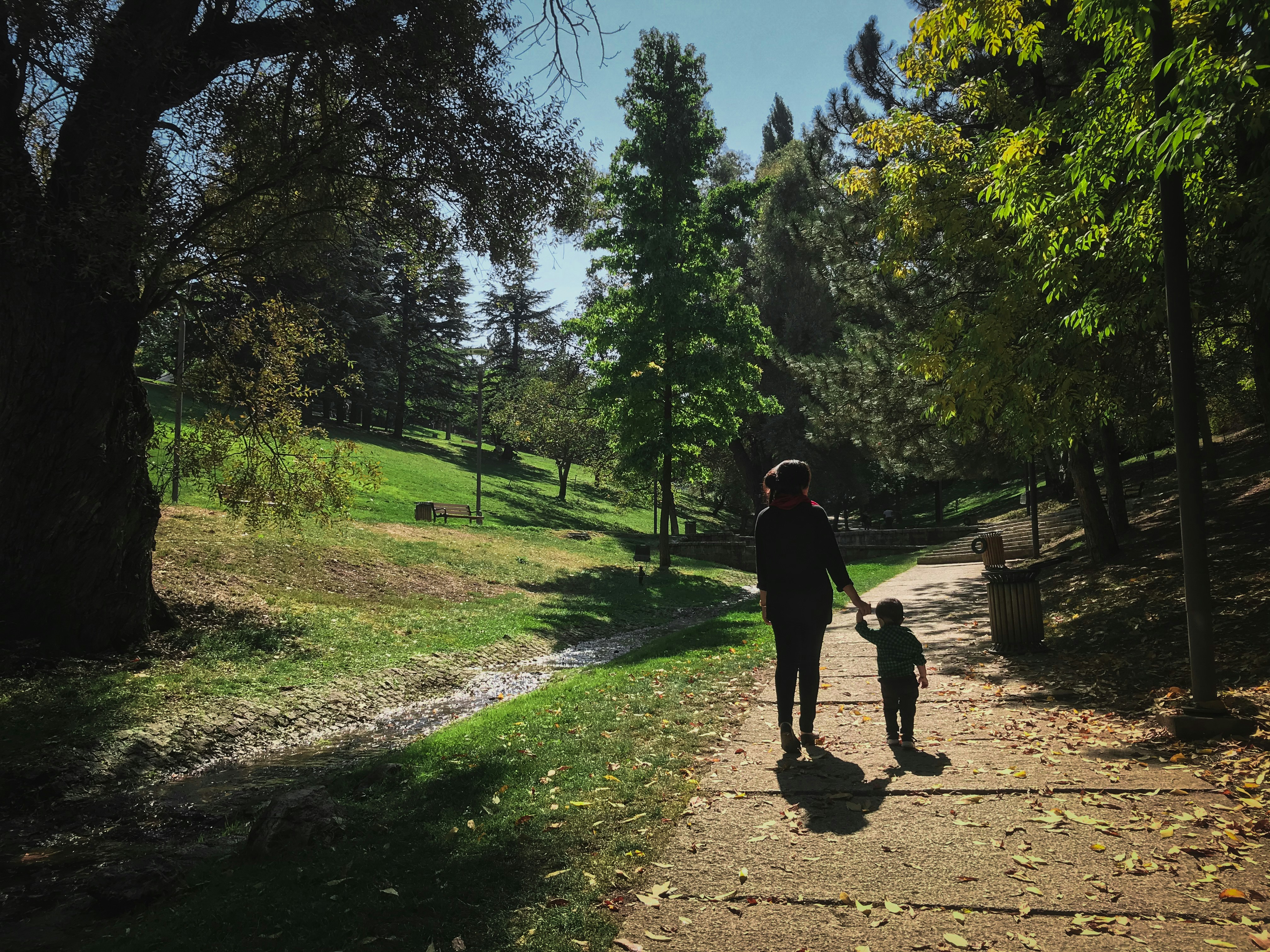
It's Not Just in Your Head (Well, Actually, It Is)
You finish a walk through a park and you feel better. Less tense, maybe a little clearer. Most of us chalk it up to "fresh air" and move on. But researchers have spent a lot of time figuring out exactly why that feeling is real, and the evidence is pretty convincing. Spending time walking in green spaces — parks, trails, tree-lined paths along a creek — measurably reduces cortisol levels, lowers heart rate, and activates the parts of the brain associated with calm focus. Not as a side effect. That's the main event.
Utah happens to be full of parks that deliver exactly this kind of experience, from small neighborhood spots with shaded paths to regional parks with long paved loops and natural stretches along the water. The science gives you a reason to prioritize those visits. The parks give you somewhere worth going.
What the Research Actually Says
A landmark study out of Stanford published in 2015 found that people who walked for 90 minutes in a natural setting showed significantly lower activity in the part of the brain linked to rumination — that loop of negative, repetitive thinking that tends to accompany anxiety and depression. People who walked in an urban environment (think: city sidewalk, traffic noise) showed no such change. Same duration, very different outcome. The environment matters.
Other research has pointed to something called "attention restoration theory," which basically argues that natural environments allow the brain's directed-attention system to rest. When you're navigating a spreadsheet or a difficult conversation, you're burning through that system. A walk past trees, grass, and open sky lets it recover. The brain gets a real break in a way that scrolling your phone — even on a comfortable couch — simply doesn't provide.
Even short doses help. Studies have shown mood improvements from as little as 20 minutes in a green space. You don't need to hike to the top of anything. A lap around a park with a good canopy and a little grass underfoot is doing real work.
Why Walking Specifically (Not Just Sitting)
Sitting in a park is better than nothing. But walking adds a layer that matters. The rhythmic, bilateral movement of walking — left, right, left, right — has a mild regulating effect on the nervous system that researchers have compared to certain aspects of EMDR therapy (a trauma treatment involving bilateral stimulation). Add natural scenery to that movement and you get both the physical rhythm and the restorative environment working together.
Walking also gives your mind something gentle to track. You notice the path, the light through leaves, a kid chasing a dog. That light sensory engagement keeps the brain just busy enough to stop chewing on whatever was bothering you. It's not distraction exactly. It's more like giving your mind permission to step out of the loop.
Utah Parks That Are Genuinely Good for This
Not every park is equally suited to a mentally restorative walk. Small concrete squares with no shade and heavy traffic noise nearby don't really deliver the same effect as a park with mature trees, a path that winds a little, and some separation from the road. Here are a few Utah parks in the directory that we think do this well.
Confluence Park in Murray sits where Cottonwood Creek meets the Jordan River Parkway, and the trail access there gives you a real sense of moving through a natural stretch of land. Water, willows, birds. It's the kind of walk where you come back having genuinely processed something. Jordan Bluffs Park in Midvale connects to the same general corridor and has bluff views that open things up in a way a flat park just doesn't.
In Utah County, Eagle Cove Park in Spanish Fork has a quieter, more tucked-in feel that suits a slower, head-clearing walk. Hendrickson Park in Springville is another one worth knowing — it has a paved loop and enough green buffer that you get genuine separation from the surrounding neighborhood once you're in it.
Out in Cache County, Hyrum Veterans Memorial Park sits close to Hyrum Reservoir and has the kind of wide-open sky that reminds you the world is bigger than whatever is sitting in your inbox. If you're in Summit County, Francis City Park near Kamas is small but sits in a setting that does a lot of the work for you — mountains visible in every direction, minimal noise.
The Social Layer: Walking With Someone Else
Solo walks have their own particular value. But there's good evidence that combining social connection with nature exposure compounds the benefit. A 2022 study published in Landscape and Urban Planning found that group nature walks were associated with significantly lower depression scores and better wellbeing than either solitary walking or no walking at all. The combination of movement, green space, and another human seems to be its own category of good.
This is part of why "let's go to the park" remains one of the more reliable things you can do for a friend who's going through a hard stretch. It's low-stakes, it gets you both moving, and the setting does some of the emotional heavy lifting. You don't have to have a breakthrough conversation. Sometimes you just walk and the knot loosens on its own.
A Few Practical Notes for Making It Stick
The research on habit formation suggests that tying a new behavior to a consistent cue helps it take root. For park walks, the most reliable cue tends to be time of day rather than mood. Waiting until you feel like walking means you'll skip it on the days you need it most. Deciding "Tuesday and Thursday mornings, before anything else" works better.
Phones are worth thinking about. Listening to a podcast or music isn't necessarily counterproductive, but some of the attention-restoration benefit comes specifically from noticing the environment around you. Even leaving one earbud out makes a difference. Let the park actually reach you.
Finally, proximity matters enormously for consistency. A park that's five minutes from home gets visited. A park that requires planning gets visited occasionally. Spend some time finding the closest parks to where you actually live and learning their paths. The Center Street Park in Sandy, Farm Meadows Park in Woods Cross, and Eastmoor Park in Grantsville are examples of neighborhood-scale parks that might not make anyone's "best of Utah" list but are exactly the kind of place that builds a real habit if they happen to be close to home.
The Simple Version
You already knew parks felt good. Now you know why, and you know it's not a small thing. Twenty minutes on a shaded path, a few times a week, is a meaningful intervention for stress, anxiety, and low-grade mental fog. Utah has the parks. The research has done the rest. The only thing left is actually going.